
Sourdough Isn’t Scary
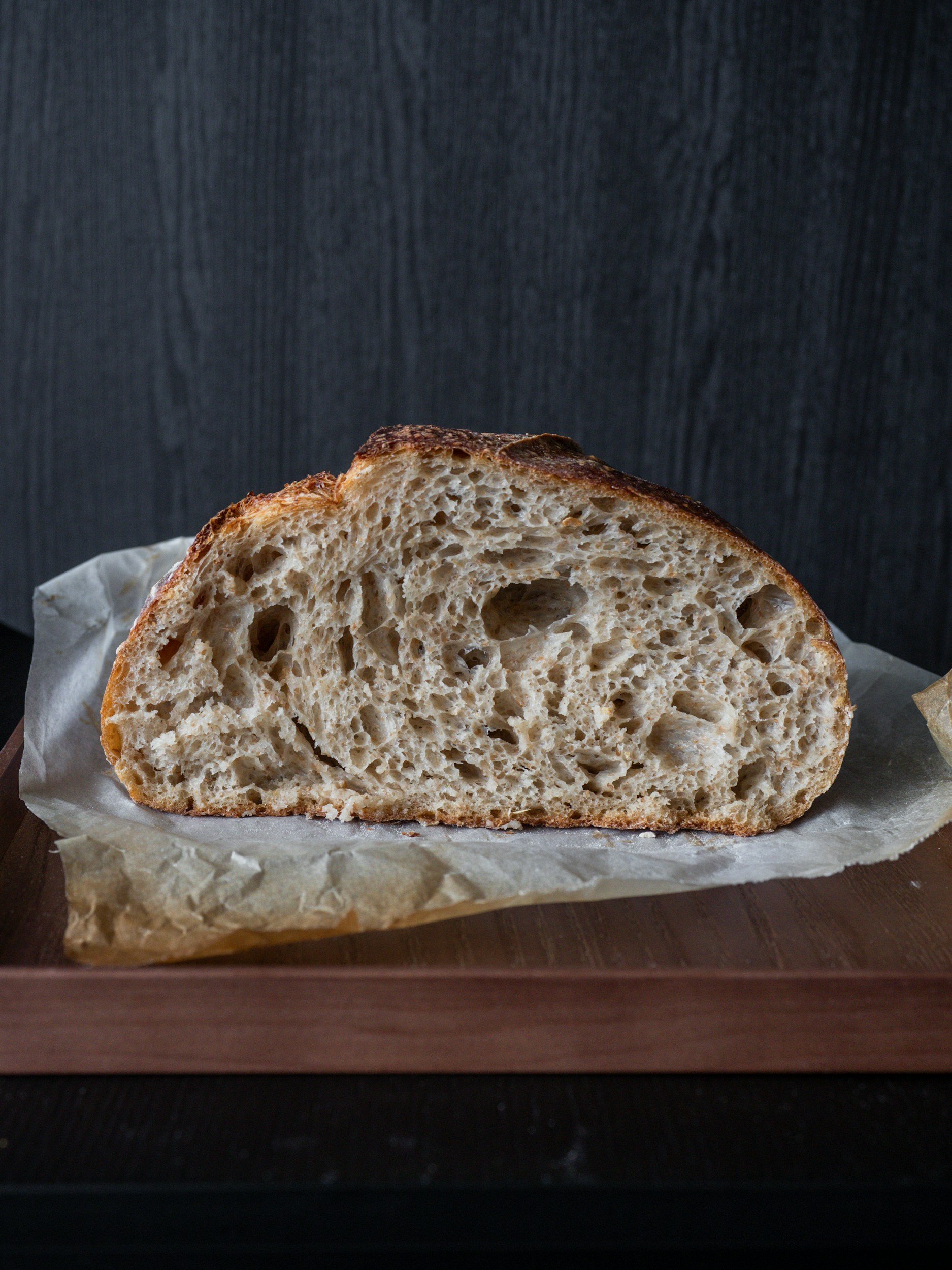
My grandmother always had a stoneware crock on her counter where her sourdough lived. I watched her scoop some of it into pancakes, breads, and cakes. My grandmother made beautiful yeast breads, but sourdough felt like something reserved for artisanal bakeries and people with mysterious culinary gifts I didn't possess. When I finally decided to try it a few years ago, I was convinced I'd fail spectacularly.
I was wrong. And I think you can do this too.
The intimidation around sourdough is real. There's talk of starters that need feeding schedules like pets, fermentation windows, hydration percentages, and something called "autolyse" that sounds vaguely scientific. People share photos of perfectly scored loaves with that gorgeous tan crust and open crumb structure, and it all feels impossibly out of reach. But here's what I've learned: sourdough isn't complicated. It just has a reputation for being complicated.
STARTING SIMPLE
The biggest breakthrough for me was buying a dried sourdough starter packet from a local market. I know—you might have heard that sourdough starters need to be cultivated for weeks, fed religiously, treated like temperamental artists. That's true if you want to do it that way. But if you just want to bake bread, buy the dried starter. Seriously. Mix it with flour and water, follow the directions, and you're done. You have an active, viable starter that's ready to work.
I remember standing in my kitchen with that packet, feeling like I'd somehow cheated. Where was the mystique? The challenge? But as I've learned, the romance of sourdough isn't in the difficulty—it's in the ritual, the flavor, and the fact that you made bread from essentially three ingredients and patience. That's plenty magical without adding unnecessary complexity.
EMBRACE THE TIMELINE
Sourdough takes time. A typical loaf needs atleast 12-18 hours from mixing to baking, depending on your kitchen temperature and how you structure your schedule. This isn't a bug; it's a feature. This timeline is why I love sourdough. It forces you to slow down. You can't rush it, so you don't try.
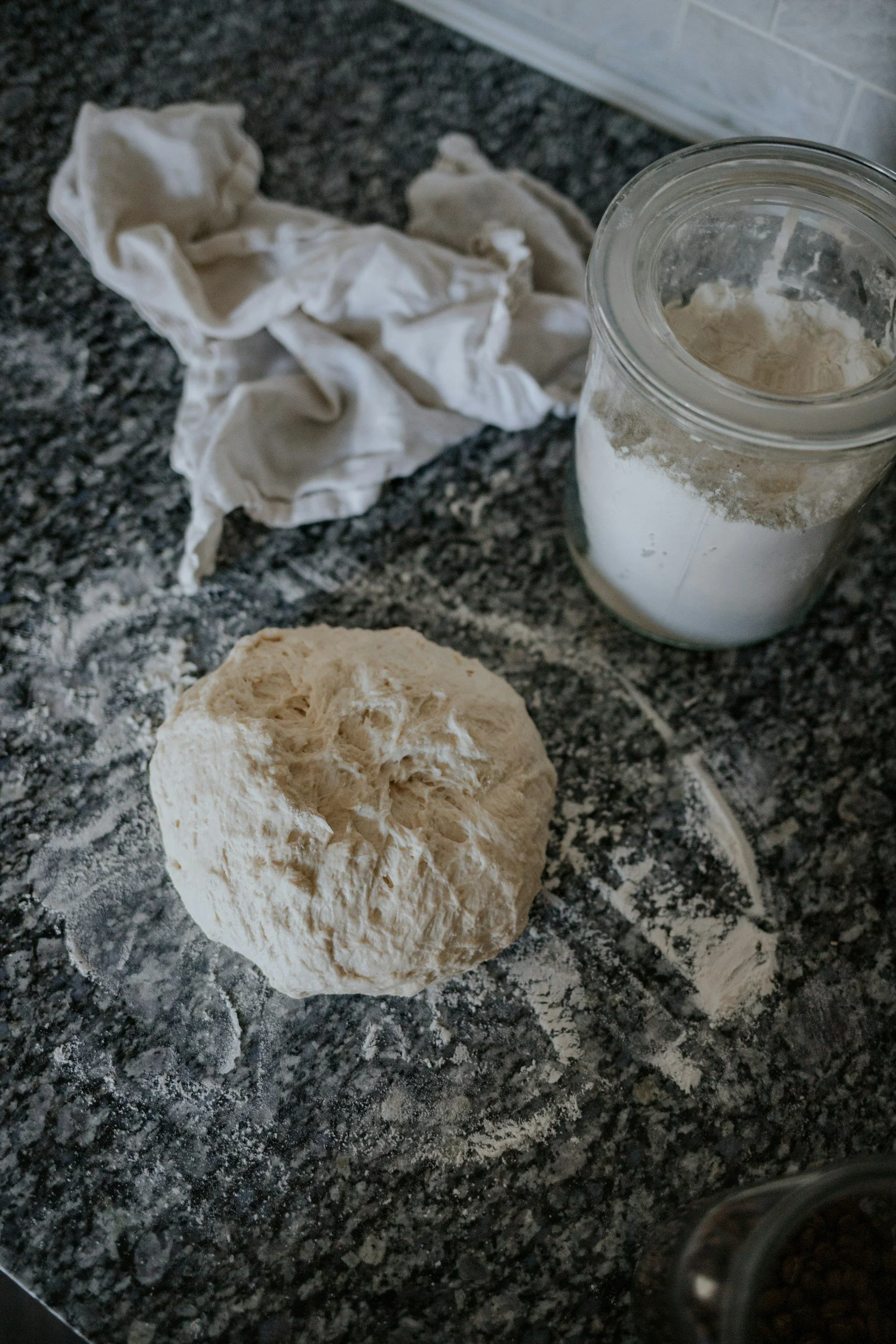
I start my dough in the evening and let it sit overnight on my counter. In the morning, I add more flour and water, along with a salt and water mixture called autolyse. There’s a schedule of stretching, then shaping, then proofing. Finally, you bake it. It becomes a rhythm.
On bread days, I move a little slower. I'm more present. I notice the smell of fermentation, the way the dough changes texture, the moment it's ready for the oven.
Don't stress about getting the timing perfect. Sourdough is forgiving. If you can't bake at the exact moment your dough finishes proofing, it's fine. It'll keep. If you need to retard your shaped dough in the refrigerator overnight, even better—cold fermentation actually improves flavor and makes scoring easier.
THE CARE AND FEEDING
Your starter needs attention, but not obsessively. I keep mine in a glass jar in my refrigerator. Once or twice a week—honestly, whenever I remember—I feed it. I discard about one cup and add equal parts flour and water. That's it. It bubbles away happily, ready whenever I want to bake.
If you bake regularly (say, weekly), your starter can live on the counter. Feed it once or twice daily and keep it active. But if you bake sporadically like I do, the refrigerator is your friend. Sourdough starters are actually quite hardy. They won't die from neglect the way some baking guides suggest. I've forgotten about mine for three weeks and pulled it out to find a gray liquid on top (called "hooch"), stirred it back in, fed it, and it was perfectly fine.
The one rule: use good flour and filtered water if possible. Chlorine in tap water can inhibit fermentation. Beyond that, your starter just wants to be fed with reasonably good flour and left mostly alone.
Here’s another rule: if your starter lives in your refrigerator, take it out and let it rest on the windowsill for 2-3 hours before feeding. Let it rest again after feeding before stashing it back in the fridge.
WHY I LOVE IT
I bake sourdough because it slows me down. Because the process is simple enough that it's meditative but engaging enough that it keeps my attention. Because there's something profound about mixing flour, water, salt, and time—three things I probably have in my kitchen right now—and ending up with bread that tastes complex and delicious.
Sourdough isn't for show. You're not baking it to impress anyone or prove your culinary credentials. You're baking it because you want good bread. Because you want to know exactly what went into it. Because you want to participate in something ancient and ordinary and completely worth your time.
Start with a dried starter packet. Don't overthink the feeding schedule. Give your dough time and gentle attention. Bake it in a Dutch oven. Eat warm bread with butter while it's still steaming.
That's sourdough. It's not scary. It's actually quite wonderful.